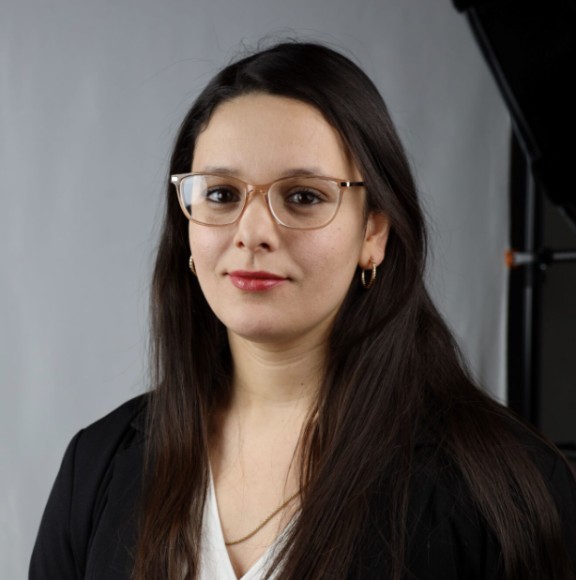
Sebastian Zainali Successfully Defends His Thesis
|
Sebastian Zainali
SOLVE PhD candidate Sebastian Zainali has successfully defended his doctoral thesis at Mälardalen University and is now officially awarded the degree of Doctor of Philosophy in Energy and Environmental Engineering.
His thesis, “The Agrivoltaic Nexus – Modelling and Optimising Water, Energy, Economy, and Food Trade-offs,” explores how agrivoltaic (APV) systems — where photovoltaic modules and agricultural production share the same land — can help address the growing competition between food production and renewable energy generation.
Through an integrated modelling framework, the research analyses and optimises water use, energy generation, economic performance, and food production within APV systems. By combining energy system modelling, optimisation methods, and scenario analysis, the work provides valuable insights into trade-offs and synergies across different deployment contexts.
The public defence took place at the Västerås campus, with Professor Greg Barron-Gafford (University of Arizona, USA) serving as opponent. The examination committee included experts from leading Nordic institutions.
We warmly congratulate Dr. Sebastian Zainali on his achievement. We are happy to have had him as part of the SOLVE and look forward to seeing how his research continues to make an impact in the field.
| | |
Marika Edoff in the Jury for Solenergipriset 2026
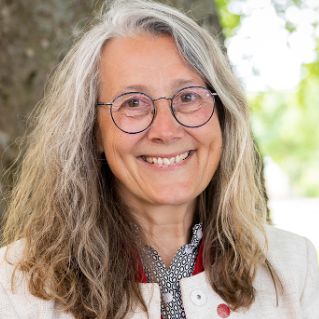
Professor Marika Edoff, Director of SOLVE, is a member of the jury for the Solenergipriset 2026. The nominees for this year’s award have now been announced. The winners in three categories will be presented on 16 April 2026 during the annual meeting of Svensk Solenergi in Stockholm. | | | | Marika Edoff. Photo: Mikael Wallerstedt. |
About Solenergipriset
Since 2004, Svensk Solenergi has awarded Solenergipriset to highlight achievements in the Swedish solar energy sector. The prize is awarded in three categories:
-
Årets anläggning mark (Ground-mounted installation of the year)
-
Årets anläggning byggnad (Building-integrated installation of the year)
-
Årets prestation (Achievement of the year)
The award recognizes installations, companies, and individuals whose contributions serve as inspiring examples for the continued development of solar energy in Sweden. |
EPBD is close to
implementation
|
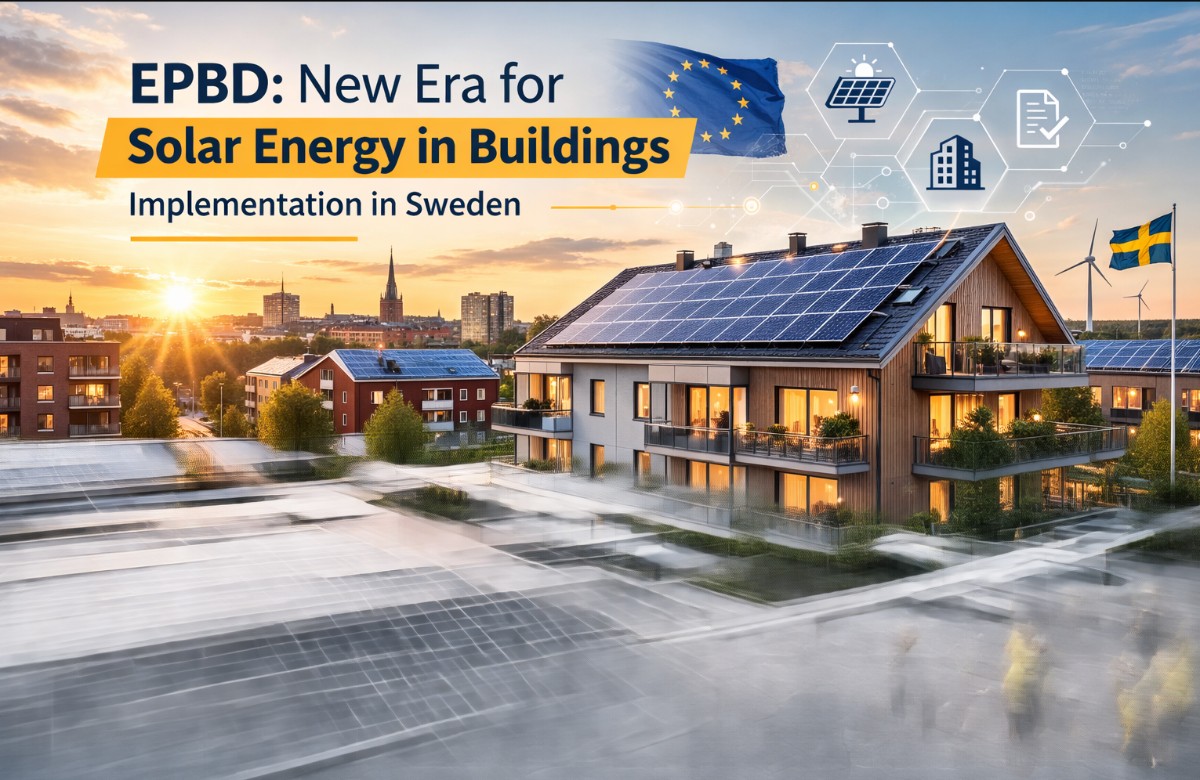
EPBD, Energy Performance of Buildings directive, sets specific
requirements for Solar Energy in Buildings.
Boverket, The Swedish National Board of Housing, Building and
Planning, has published their proposal for new and amended
regulations for consultation.
Remisser
om EPBD - Boverket
Read, reflect and gather opinions!
The deadline for comments is April 17, 2026.
In connection with the publication, Boverket has also announced
times for consultation seminars:
- March 10 at 10:00-12:00 - Energy efficiency (including regulation
for Solar Energy)
- March 10 at 13:00-14:30 - Energy declarations and certification
of energy experts
- March 11 at 14:00-15:00 - Sustainable mobility
Malin Unger, RISE
| | |
Price Threshold for Profitable Residential Solar in Sweden
|
A recent study by Professor Markus Rinio, renewable energy researcher at Karlstad University, examines how profitable rooftop solar is for a typical Swedish household.
The analysis is based on real production and consumption data from 2019–2024 and models a standard 12.8 kWp PV system located in electricity price area SE3 (southern Sweden).
The study assumes a total installed system cost (panels, inverter, cabling, installation) of approximately 12.5 SEK/W.
At this cost level, a household with average electricity consumption can expect a payback period of around 12 years.
Importantly, the calculations exclude the green technology deduction (grönt avdrag) and the former 60 öre/kWh tax credit, making the scenario more conservative and realistic under current policy conditions.
When is solar profitable?
The study concludes that:
-
If system costs remain below 12–13 SEK/W, residential solar can be economically viable.
-
At costs approaching 20 SEK/W, profitability becomes significantly more challenging.
-
Higher household electricity consumption improves the investment case.
| | |
Hidden PV Capacity in Distribution Grids
|
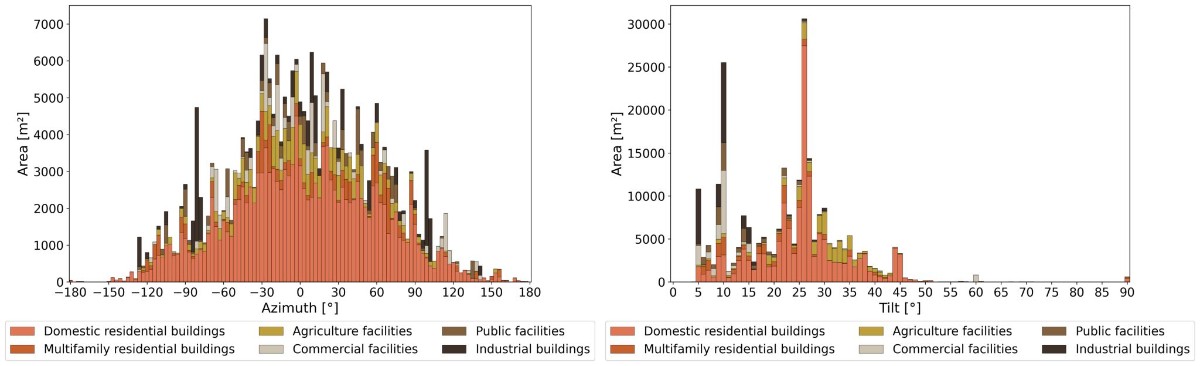
A new preprint by Johan Lindahl, Joakim Widén and colleagues explores how solar panel orientation diversity affects grid operation.
Analyzing 3,257 PV systems across four Swedish low-voltage grids, the study shows that actual simultaneous peak generation is 7.8–15.7% lower than commonly assumed. This reveals significant hidden capacity — potentially up to 588 MW nationally — without requiring new grid infrastructure.
The results highlight how improved data, aerial imagery, LiDAR and physical simulations can reduce uncertainty and support more cost-effective PV integration.
| | |
LCA Harmonization in PV Systems
|
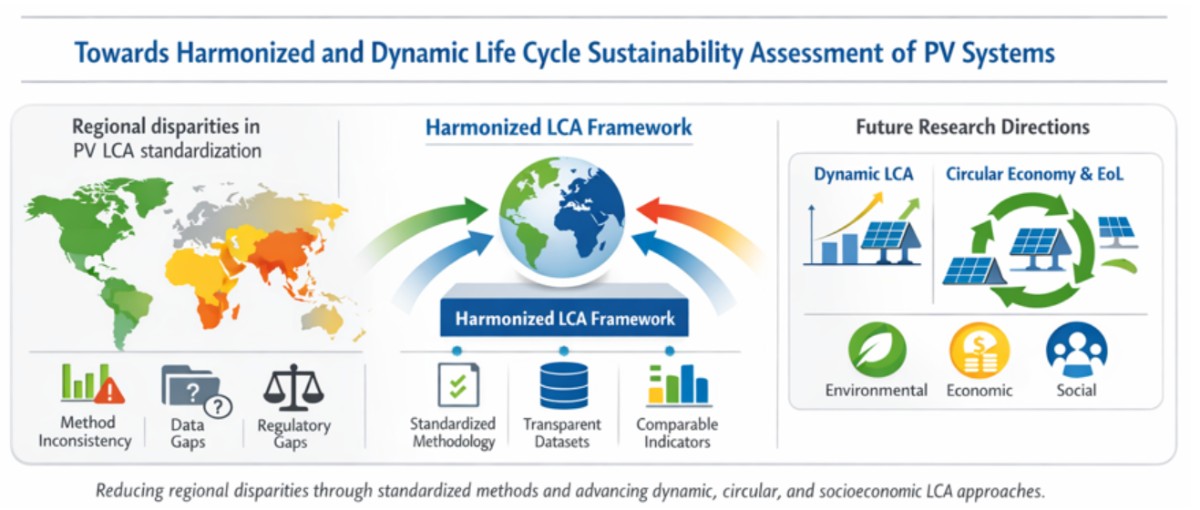
A new peer-reviewed article by Ilham Ihoume, Michiel van Noord, and André Augusto examines why Life Cycle Assessment (LCA) methodologies for photovoltaic systems still differ across regions.
The study identifies key technical, regulatory, and contextual factors that continue to hinder global harmonization of PV sustainability assessments. As PV deployment accelerates worldwide, transparent and comparable sustainability metrics are becoming increasingly important.
| | |
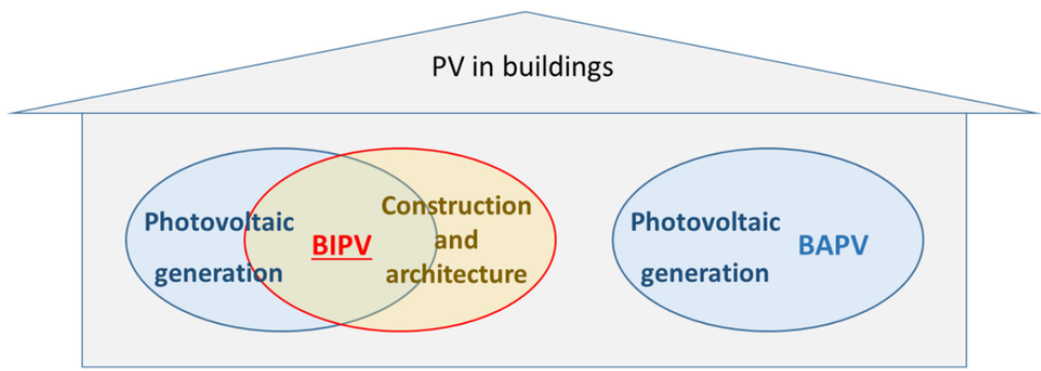
Martín-Chivelet et al., BIPV Market Development: International Technological Innovation System Analysis, Buildings 2025, 15(17), 3011. CC BY 4.0.
Michiel van Noord and Elin Daun from RISE Research Institutes of Sweden have contributed to a newly published study examining the market development of Building-Integrated Photovoltaics (BIPV).
The paper analyses why BIPV remains a niche market despite its technological maturity and strong potential for energy-positive buildings. Using a Technological Innovation System (TIS) framework, the study identifies key structural and regulatory barriers, including cost challenges, limited policy coordination, and weak integration between the construction and PV sectors.
The findings highlight the need for stronger cross-sector collaboration, clearer regulatory frameworks, and long-term policy support to unlock BIPV’s full potential.
| | |
Ultra-Thin Silicon Solar Cells for Space Applications
|
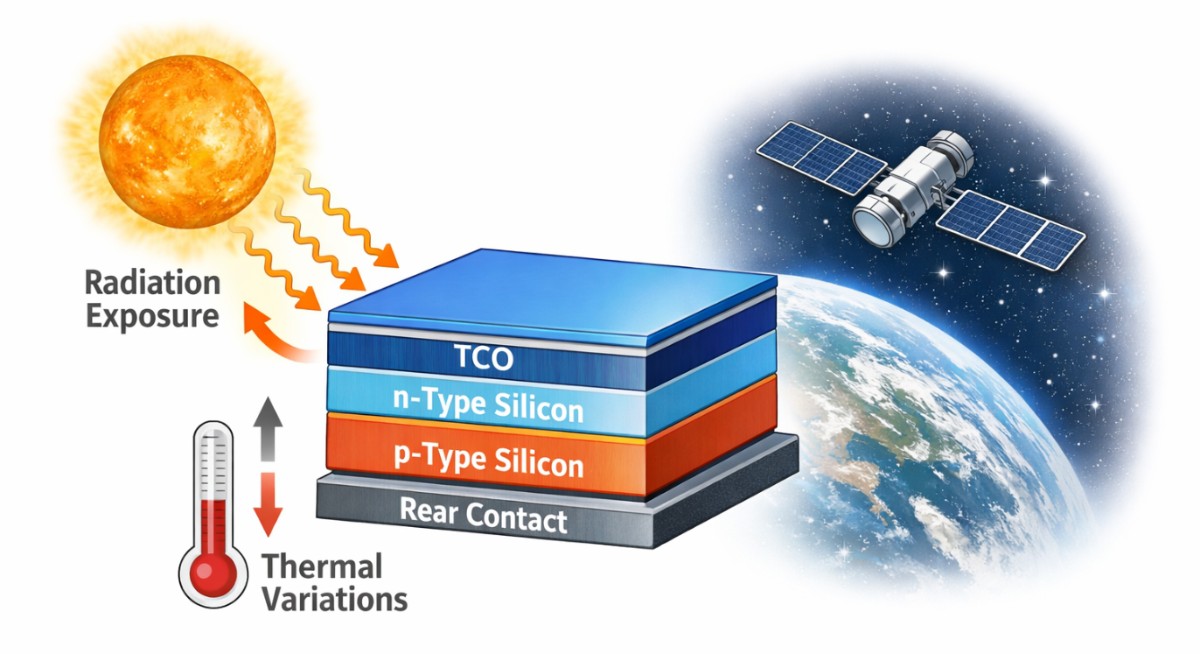
The article co-authored by André Augusto, “Silicon's cosmic comeback: Temperature-dependent performance and radiation stability of ultra-thin silicon heterojunction solar cells for space applications,” has now been published.
The research investigates the temperature-dependent behavior and radiation stability of ultra-thin silicon heterojunction (SHJ) solar cells under space-relevant conditions. The findings demonstrate strong stability under irradiation and thermal stress, reinforcing silicon’s renewed potential for reliable space-based photovoltaic applications.
| | |
IEA Report on PV and Energy Security in the Arctic
|
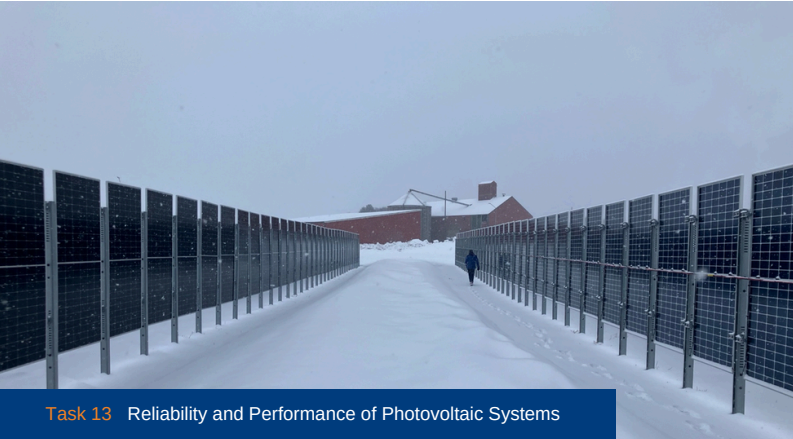
A new report from the International Energy Agency (IEA PVPS), co-authored by SOLVE members
Silvia Ma Lu
and
André Augusto, explores the role of photovoltaics in strengthening energy security in the Greater Arctic Region.
The report highlights the opportunities and challenges of PV deployment in cold and remote climates.
| | |
PhD Defence
Amal Nammouchi will defend her doctoral thesis “Intelligent Distributed Energy Systems: From Predictive Modeling to Explainable Decision-Making.”
📅 Date: Friday, 27 March 2026 🕙 Time: 10:15 📍 Location: Fryxell Lecture Hall (1B 306), Karlstad University 💻 Online: https://kau-se.zoom.us/j/61789567587
Opponent: Prof. Vedran Perić (University of Bayreuth, Germany)
Everyone is welcome to attend.
| | | |
|