SOLVE Autumn Conference 2026 – Looking Ahead to Phase 2
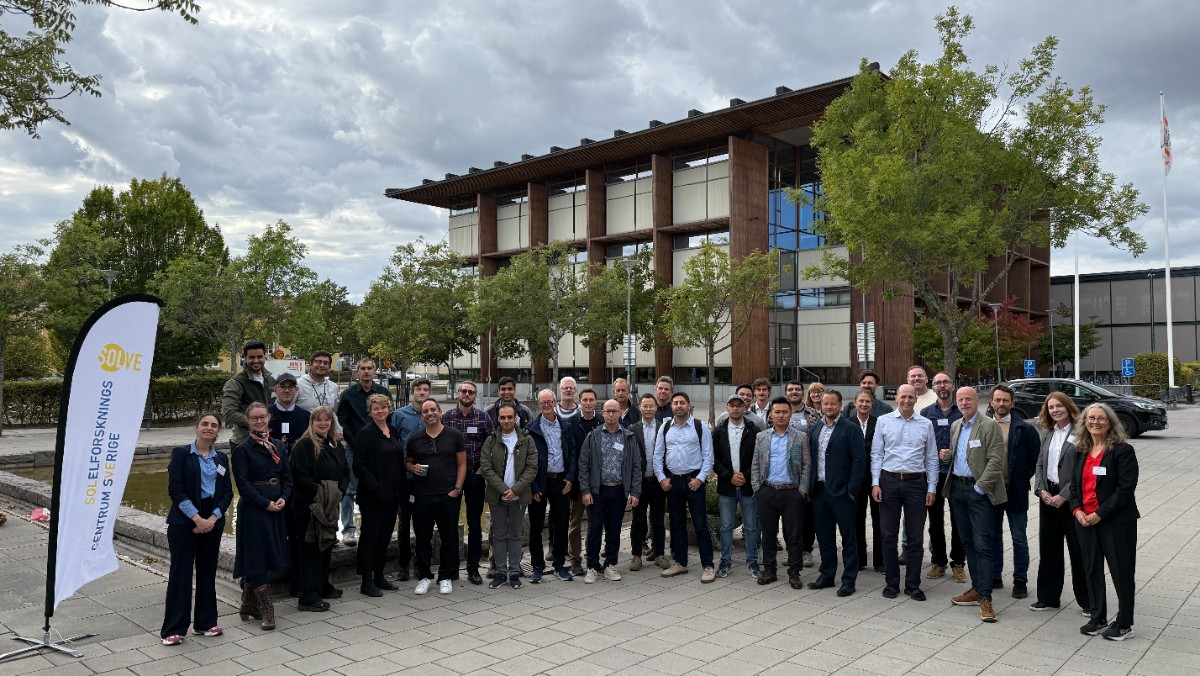
On 9–10 September 2026, the SOLVE community gathered at Mälardalen University in Västerås for two days of research presentations, discussions and networking, bringing together 55 registered participants from academia, industry and other sectors. The conference highlighted achievements from SOLVE Phase 1 and introduced the new research projects and partners joining SOLVE Phase 2 (2027–2031). Invited speakers Anna Porelius (Svensk Solenergi), Johan Lindahl (Becquerel Sweden) and Martin Vallstrand (Energiforsk) shared perspectives on developments in the solar energy sector. Workshops, poster presentations and networking activities provided further opportunities to exchange ideas and strengthen collaboration across the SOLVE community. A big thank you to Mälardalen University for hosting us and to everyone who contributed to the conference!
| | |
SOLVE Submits Consultation Response on the EU Emissions Trading System
SOLVE has submitted a consultation response to the European Commission's proposed revision of the EU Emissions Trading System (EU ETS). The response highlights the importance of predictable carbon pricing for renewable energy investments and calls for greater attention to electricity grids, energy storage and flexibility. The response was prepared within SOLVE and signed by representatives from participating universities and research organisations.
| | |
Harnessing Light from Both Sides: Advancing Bifacial Solar Cells
Editor's note: In this issue, we highlight a recent study from Uppsala University and its European partners on bifacial thin-film solar cells. The research explores the use of transparent back contacts to enable light absorption from both sides of the solar cells. What if solar panels could harvest sunlight from both sides? Bifacial solar technology does just that, capturing direct sunlight on the front and reflected/scattered light on the rear. Depending on the installation and surrounding environment, this extra light can increase electricity generation without requiring more panel area. Bifacial technology is already widely established in crystalline silicon photovoltaics, with bifacial modules now a standard option in the solar market.
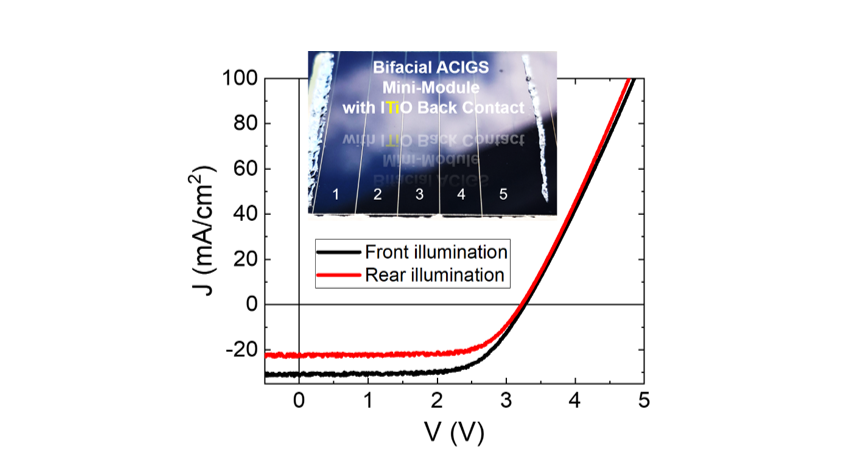
In a recent study led by Dr. Jan Keller, researchers at Uppsala University and Roltec (Poland) developed bifacial mini-modules based on ACIGS, a thin-film solar absorber material. The transparent indium titanium oxide (ITiO) films used as the modules' rear contacts were provided by Loughborough University. These ultra-transparent contacts allow light to enter through the back while conducting electricity. The prototype achieved a front-side efficiency of 14% and a remarkable bifaciality factor of 76%, meaning its rear-side efficiency was 76% of its front-side efficiency. Although further optimization is needed to match the performance and maturity of bifacial Si modules, this work demonstrates the potential of transparent back contacts for bifacial thin-film photovoltaics. Beyond conventional solar farms, such technology could eventually contribute to agrivoltaic systems (e.g. for vertical PV), solar installations over parking areas, and other settings where light reaches both sides of a panel. By improving electricity generation while making better use of available space and sunlight, bifacial thin-film solar cells could help expand the range of applications for solar energy. This work is part of the HORIZON EUROPE project Hi-BITS.
Written by Dr. Jan Keller
Uppsala University, Solar Cell Technology Link to the article
Uppsala University Solar Cell Group
EU project Hi-BITS | | | |
SOLVE PEOPLE & RESEARCH EXCHANGES
|
From Sweden to Japan: Phil Aupke's Research Stay at Hiroshima University
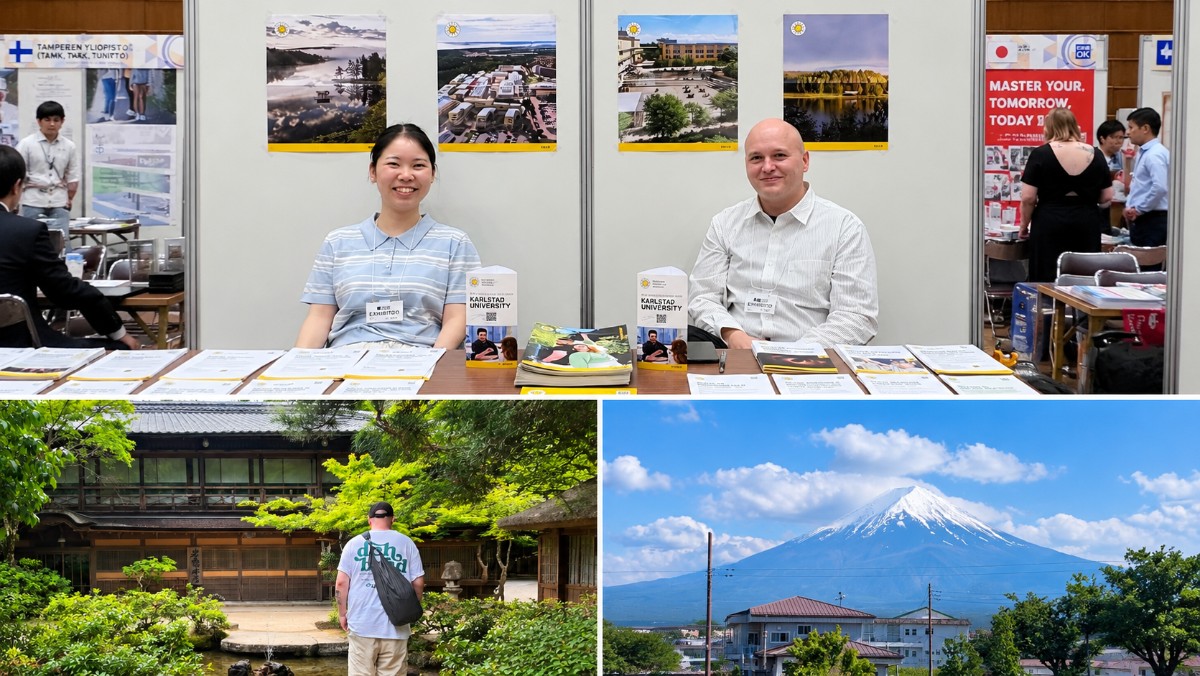
SOLVE PhD student Phil Aupke from Karlstad University spent five months at Hiroshima University in Japan in spring 2026, supported by the MIRAI programme. The research stay provided an opportunity to develop his PhD research, explore new methods and establish international collaborations. During his stay, Phil worked with Professor Daniel Andrade, whose expertise in statistics offered an opportunity to strengthen the uncertainty modelling in his research. His work focuses on Physics-Informed Neural Networks (PINNs) combined with Bayesian methods for short-term forecasting in smart energy systems. A key motivation for the visit was to make machine learning models more interpretable for end users. While conventional machine learning approaches can produce accurate predictions, it is often difficult to explain the uncertainty associated with their results. Bayesian methods can help identify and quantify the factors contributing to this uncertainty. The stay also allowed Phil to explore how his models perform under climatic conditions different from those in Sweden, using data available at Hiroshima University. Beyond the research itself, Phil established contacts with researchers in statistics and electrical engineering, including teams working on smart grid optimisation and data collection. These collaborations are expected to continue, with a joint scientific publication currently in preparation. Living and working in Japan was also a valuable personal experience. Although the working culture differed considerably from what he was used to in Sweden, Phil found his colleagues welcoming and appreciated the support he received from local PhD students and the MIRAI programme. Reflecting on the experience, Phil encourages other PhD students to consider research stays abroad. He particularly highlights the value of learning from different research environments, building international connections and receiving support through programmes such as MIRAI. Phil is also happy to share his experiences with other PhD students interested in research opportunities in Japan.
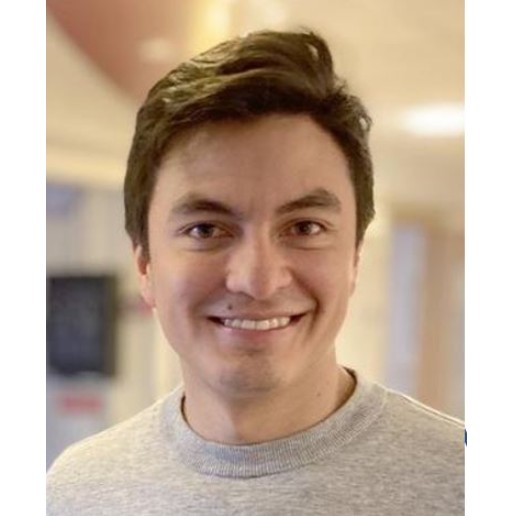
| | | Congratulations to Santiago Valencia Gonzalez!We would like to congratulate SOLVE PhD student Santiago Valencia Gonzalez from Dalarna University on his licentiate thesis defence on 28 August 2026.
His thesis, “Life Cycle Global Warming Potential of Optimized Photovoltaic System Deployment,” explores how optimized PV systems can contribute to reducing greenhouse gas emissions from a life cycle perspective. Read more about Santiago's research
| | | |
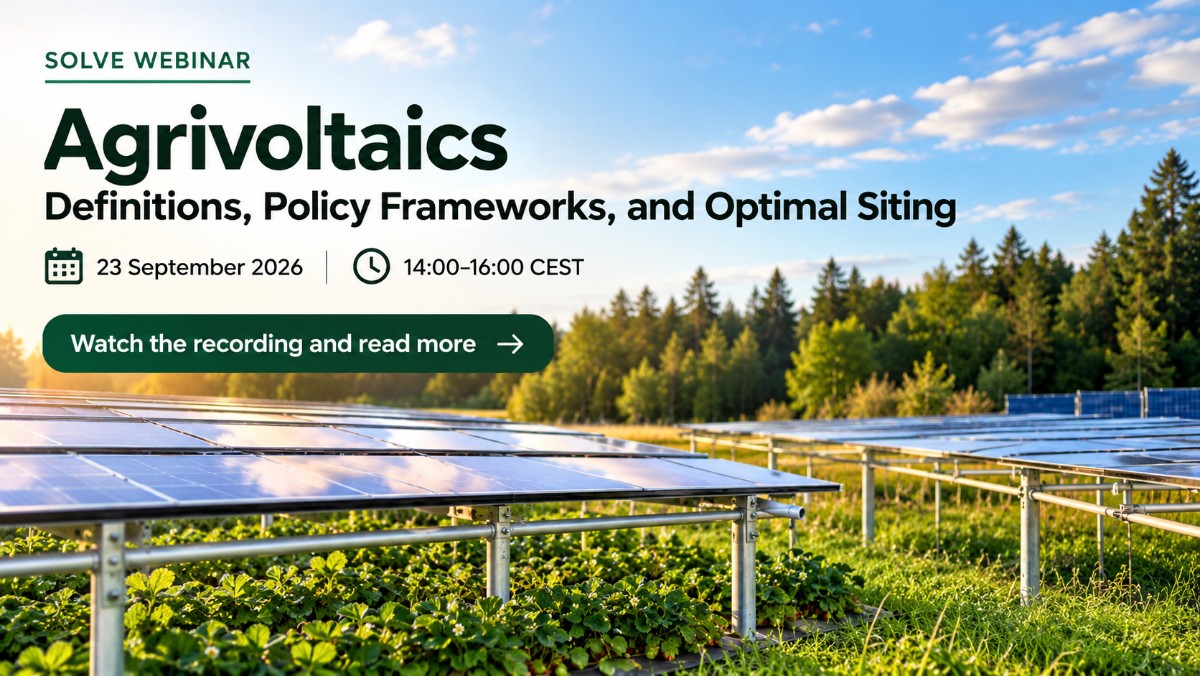
SOLVE Webinar on Agrivoltaics: Highlights and Recording
On 23 September 2026, SOLVE hosted a webinar bringing together European researchers and experts to discuss agrivoltaics, including definitions, policy and regulatory frameworks, national perspectives, and approaches to identifying suitable locations for deployment. The webinar concluded with a roundtable discussion on current challenges and future directions.
| | |
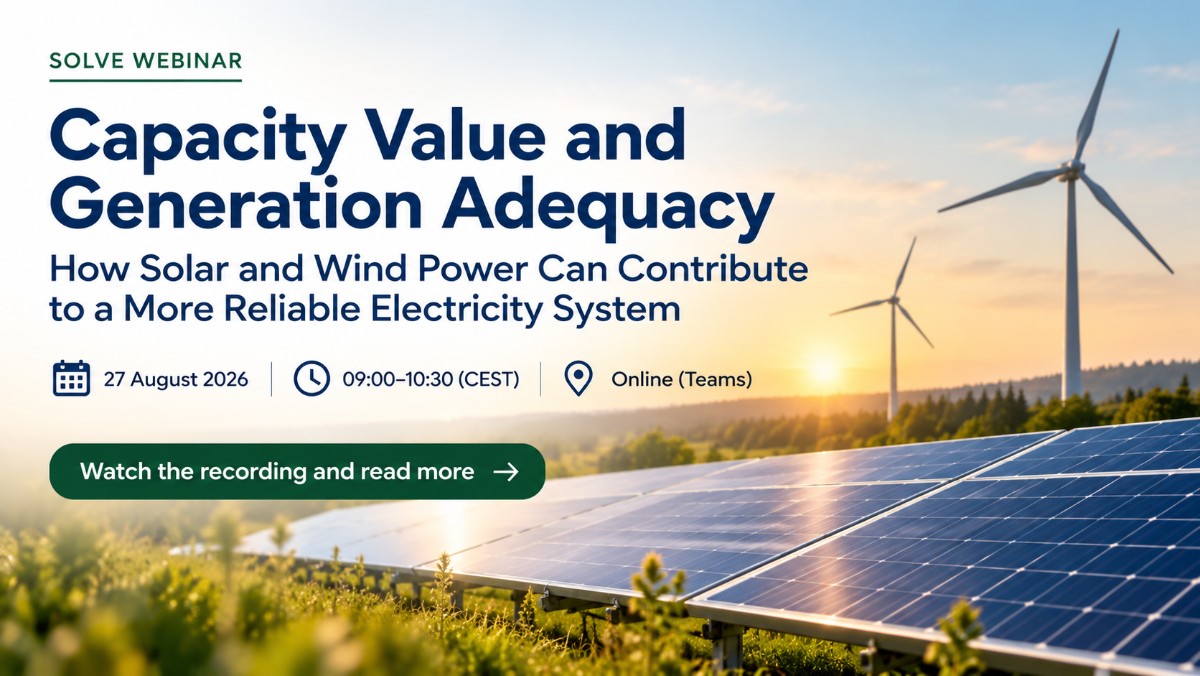
SOLVE Webinar on Capacity Value and Generation Adequacy – Recording Available
On 27 August 2026, SOLVE, together with the Swedish Wind Centre (SWC) and Energiforsk's Forum for Energy Parks, hosted a webinar on capacity value and generation adequacy in electricity systems. Johan Lindahl (SOLVE) discussed how combining solar and wind power can reduce generation variability and the risk of generation shortfalls, while Sara Fogelström (SWC) presented different methods for assessing capacity value and the importance of consistent evaluation approaches.
| | |
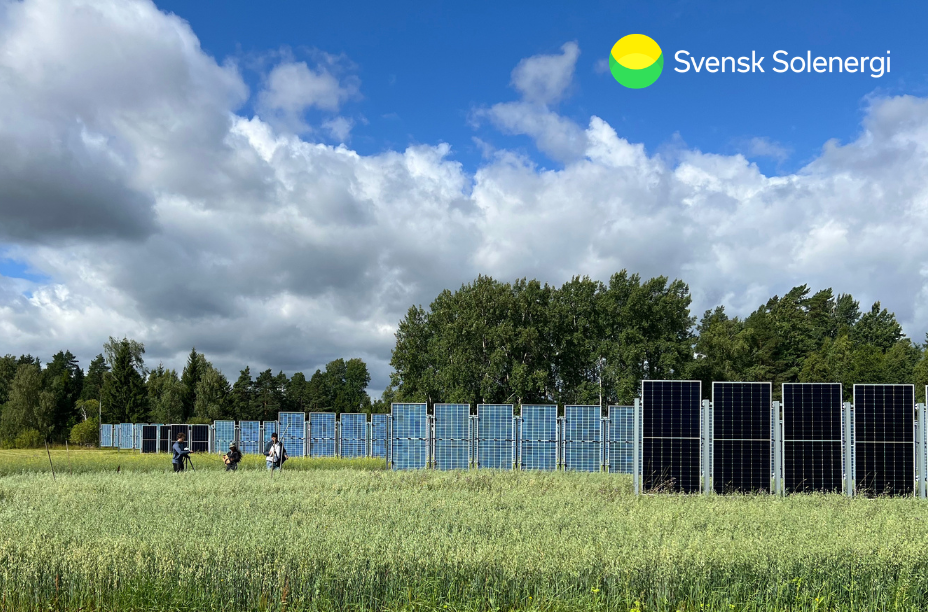
Svensk Solenergi welcomes you to an agrivoltaics event in Västerås
What's happening in the field of agrivoltaics? Svensk Solenergi invites you to an inspiring afternoon in Västerås, where you will learn about ongoing projects, research and initiatives in agrivoltaics. We will wrap up the day with an after-work and dinner. During the afternoon, you will hear from speakers representing organizations including Mälardalen University, the Swedish University of Agricultural Sciences (SLU), Solbruk i vårt jordbrukslandskap, the Federation of Swedish Farmers (LRF), Solbruk i Skåne and RISE. Most of the program will be held in Swedish. Date: Tuesday, 17 November
Time: 14:00–19:00
Location: Elite Stadshotellet/The Bishops Arms, Västerås The event is free of charge, but the guest list is limited. We encourage you to register as soon as possible, but no later than 30 October. After the registration deadline, you will receive an email confirming whether you have been allocated a place. If you have any questions, please contact Eléonore Svanström, Communicator at Svensk Solenergi, at eleonore.svanstrom@svensksolenergi.se. The event is organised by Svensk Solenergi with support from the Solsambruk i Sverige project, carried out by Science Park Gotland, LRF, Agtech and Svensk Solenergi.
| | |
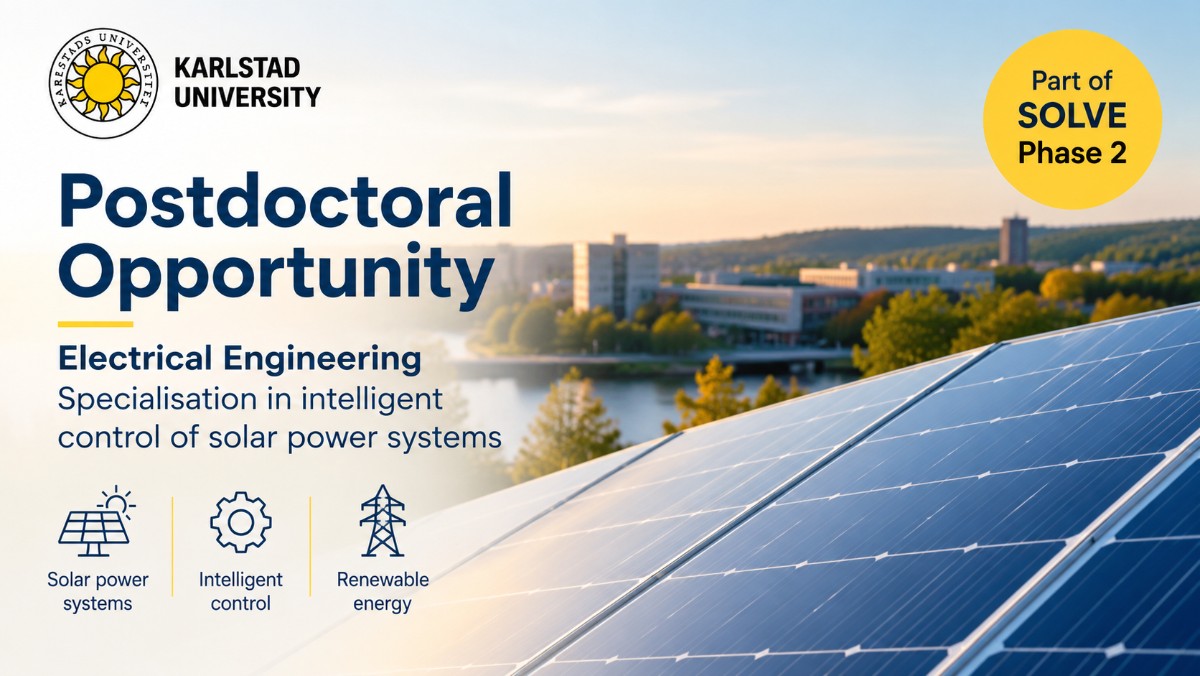
Postdoctoral Opportunity at Karlstad University
Our SOLVE partner, Karlstad University, is recruiting a postdoctoral researcher in Electrical Engineering, focusing on intelligent control of solar power systems. The two-year position is part of SOLVE Phase 2. Application deadline: 15 November 2026 Please feel free to share this opportunity within your networks.
| | | |